
There’s got to be a better way to treat depression! Psychedelics could be the answer
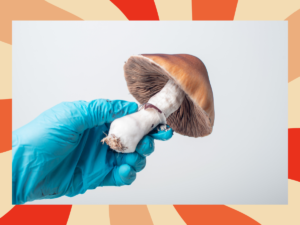
Psychedelic drugs could be a transformative approach to treating mental health conditions like depression, especially for those who don’t respond to traditional treatments. Researchers at McGill University recently led a study that concluded that using drugs such as LSD and psilocybin (an active compound in ‘magic mushrooms’) could become more widely used in treating mental health disorders.
What is it, and how does it work?
Here in Quebec, psychedelic therapy is legally accessible for treating conditions such as depression, anxiety, and PTSD. It requires a medical prescription and is administered under strict guidelines.
After a rigorous screening process, patients meet with therapists to learn how to navigate the experience and set intentions. 1-3 sessions with psychedelics are conducted in a controlled environment under professional supervision. Each session can last anywhere from 4-8 hours, with the drugs ingested in capsule or liquid form, or in some cases from an IV. This is followed by more therapy, where the therapist and patient discuss the psychedelic experience and work to use insights to change behaviours and emotions.
Is it effective?
Several studies have shown that psychedelics can improve depressive symptoms very rapidly, even within hours of administration. Improving symptoms quickly can be crucial for someone who is in acute distress. This is potentially an enormous improvement from traditional antidepressants which can take weeks to show any effects.
One study showed that a single dose could improve symptoms of depression for up to a year, and another trial showed that after treatment, two thirds of patients continued to have alleviated symptoms five years later.
How can it help with depression?
Early research has shown that psychedelics may temporarily undo default brain patterns, which allows brain flexibility and the possibility of a reset. Patients can break free of rigid behaviours associated with depression, which helps them gain emotional insights and fresh perspectives that continue long after the treatment. This, in turn, helps to develop healthier habits and relationships which help protect against depressive symptoms returning.
This sounds too good to be true! Is it something I should try?
If you want to know more about this treatment, speak to a therapist or psychiatrist, or explore research regulated programs in your area. Remember to be fully honest about your mental health and medical history so that both you and the professionals can ascertain whether this could be a viable option.
Currently, the only candidates considered are those who have not responded to conventional medication and therapy. This treatment isn’t suitable for everyone, as psychedelics can instead worsen mental health conditions. The experience can be extremely emotional and intense, and there are potential risks, such as anxiety, panic, or aggravating underlying mental health issues. Most trials exclude people with bipolar disorder because it may trigger a manic episode.
Don’t try this at home
Though psychedelics may seem like a very fast and straightforward cure, this should only be attempted under proper medical supervision. Preparation and structured support from trained clinicians and therapists before, during, and after is essential.
Looking to the future
While researchers caution that more study is required, early findings are very promising. A treatment for certain mental health conditions that works quickly, lasts long-term, and is without side effects is an incredible prospect. Encouragingly, extensive research is ongoing, and our understanding will continue to improve.
–Emily Verrall
From Share&Care Summer 2026
Visit amiquebec.org/sources for references
Don’t miss our updates! Click here to sign up for our emails
Please also follow us on