
Myth Busters: Anxiety Disorder
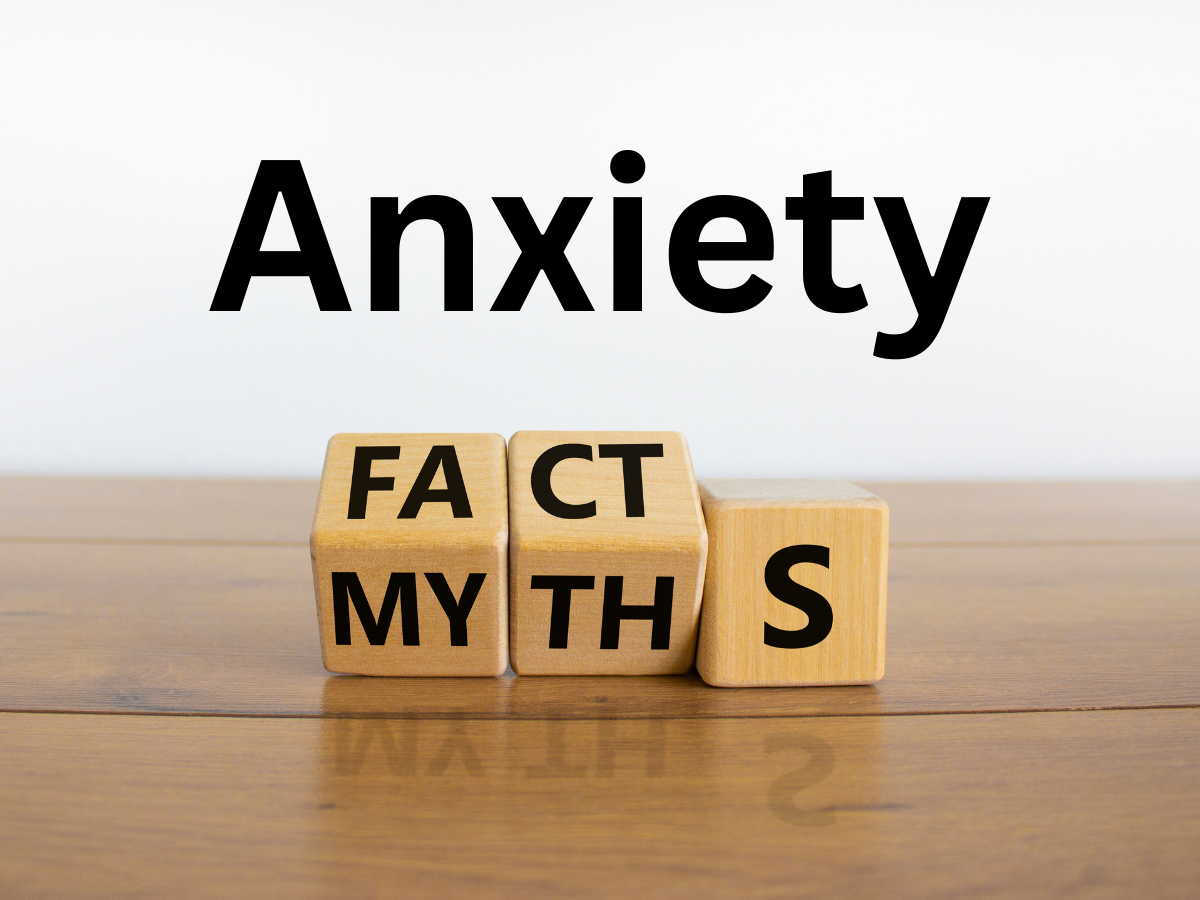
Welcome to another edition of Myth Busters, where our aim is to dispel common myths associated with different mental illnesses. This time, we will be tackling anxiety.
MYTH 1: Everyone deals with anxiety, so anxiety disorders are not a real thing
There is a distinct difference between experiencing normal anxiety (that can be experienced during tough times, like a stressful time at work, a new chapter in life, or illness or death in the family) compared with a condition that can be described as anxiety disorder. Anxiety disorder disrupts everyday life and affects one’s daily functioning. We can all experience stress and anxiety from time to time, but we usually bounce back. Someone with an anxiety disorder continues to feel anxious even if there is no stressor. It is like a person experiencing a “fight or flight” sensation without any apparent danger.
MYTH 2: Constant reassurance is what is needed for someone with anxiety
Although reassurance can help soothe the worries of a person with anxiety, it is not a cure-all solution. If an anxious individual is constantly reassured and always told that everything is going to be okay, then they may fall into a pattern of avoiding the things that make them anxious. Family members and loved ones can certainly reassure their loved one, but not to the point that it becomes a crutch for the anxious person. Instead, they can give unconditional love and support.
MYTH 3: Someone with anxiety is just neurotic
Calling a person who lives with anxiety neurotic is treating their anxiety as a character trait rather than what it actually is: a mental health challenge. An anxiety disorder is a very real thing that can affect an individual’s life. Recognizing that can help you understand the anxious person, so they can feel heard and understood rather than feeling judged.
MYTH 4: Those with anxiety need to avoid any stressful situations
This can cause more harm than good. Avoiding situations because they might cause stress can cause even more anxiety in the long run; it can be a vicious circle. For example, if a person living with anxiety stays home to avoid potentially anxious situations, this can make it difficult to ever leave the house, which can lead to avoiding anything that is outside their comfort zone.
MYTH 5: There are no connections between anxiety and depression
According to the Anxiety & Depression Association of America, about half of people with anxiety also live with depression. The Mayo Clinic further explains that although anxiety and depression are different conditions, it is common for them to happen at the same time. One does not necessarily cause the other, but for some people a depressive episode can lead to developing an anxiety disorder, and some who live with anxiety can develop symptoms of depression.
MYTH 6: Anxiety can be cured with healthy habits and relaxation
Even though healthy habits and relaxation can benefit an individual who lives with an anxiety disorder, by themselves they are not a miracle cure. Many people with anxiety benefit from help from different therapies such as talk therapy or Cognitive Behavioural Therapy (CBT), as well as certain medications prescribed by a licensed professional. Different treatments work for different people.
Find help for anxiety: amiquebec.org/anxiety.
–Gabrielle Lesage
From Share & Care Fall 2025
Don’t miss our updates! Click here to sign up for our emails
Please also follow us on