
Is COVID-19 making us all obsessive-compulsive?
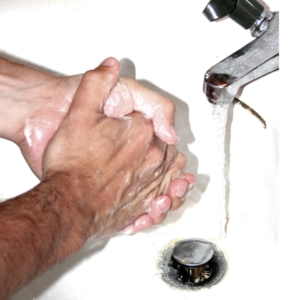 Our daily habits have changed since the beginning of COVID-19. We are much more fixated on cleanliness and the need to disinfect what we touch. This in turn has made daily activities like grocery shopping extremely different: we are told we need to wear a mask, we must stand at a two-metre distance away from others and must wash or disinfect our hands when we enter an establishment and often times when we leave as well. Even outside of stores, we have developed this need to constantly use hand sanitizer the moment we might feel uncomfortable. Are these new habits a sign of being conscious of germs and microbes, or a sign of a developing mental illness? Is our constant handwashing a sign of developing obsessive-compulsive disorder?
Obsessive-Compulsive Disorder (OCD) is an anxiety disorder characterized by intrusive thoughts (obsessions) that are followed by an action (compulsions) in order to diminish or remove the anxiety of the invasive thought. One of the most common obsessions includes a fear of being contaminated by germs and becoming sick. In turn, a common compulsion to ease the anxiety of this obsession is excessive washing of hands. Those who have OCD understand that the intrusive thoughts are illogical, but the need to carry out the obsessive act is too strong to ignore. Some examples of intrusive thoughts might look like this: “If I don’t wash my hands right now, I will die”, or “If I don’t take a scalding hot shower my whole family will contract an illness”. Irrational fears such as these are intrusive to the point that they affect the quality of life of an individual. They are irrational because there is no logical reason that the obsession will actually happen if a person does not carry out the compulsive act.
The important distinction between our increased need to wash our hands during the pandemic and someone living with OCD is that there is a virus circulating in the world and washing our hands can help us avoid catching it. Since it is easy to come into contact with germs in public settings, handwashing stations and hand sanitizer bottles are a rational preventative method. There is evidence that hand washing is effective, therefore the actions are justifiable. When it comes to someone with obsessive-compulsive disorder, the thought and action is irrational. There is no evidence that the compulsion will actually prevent the intrusive thought from happening.
It is normal to feel anxious and wash your hands more often than you used to during these stressful times, but when should you worry about obsessive-compulsive symptoms? You should be concerned if your handwashing becomes out of control. Excessive handwashing becomes detrimental if it is not allowing you to complete tasks that you were previously able to do without trouble. If you are having intrusive thoughts that are taking over your daily wellbeing, consider calling Info Santé (dial 811) to speak to a psychosocial worker. They can provide you with advice and resources should you desire to seek further help.
– Gabrielle Lesage
Click here for organizations that can help with OCD in yourself or a loved one.
AMI has a support group once a month for family, friends, and people living with Anxiety or OCD. Click here for more information.
Please click here for references.